Dominoes Techniques for Friendly Competition
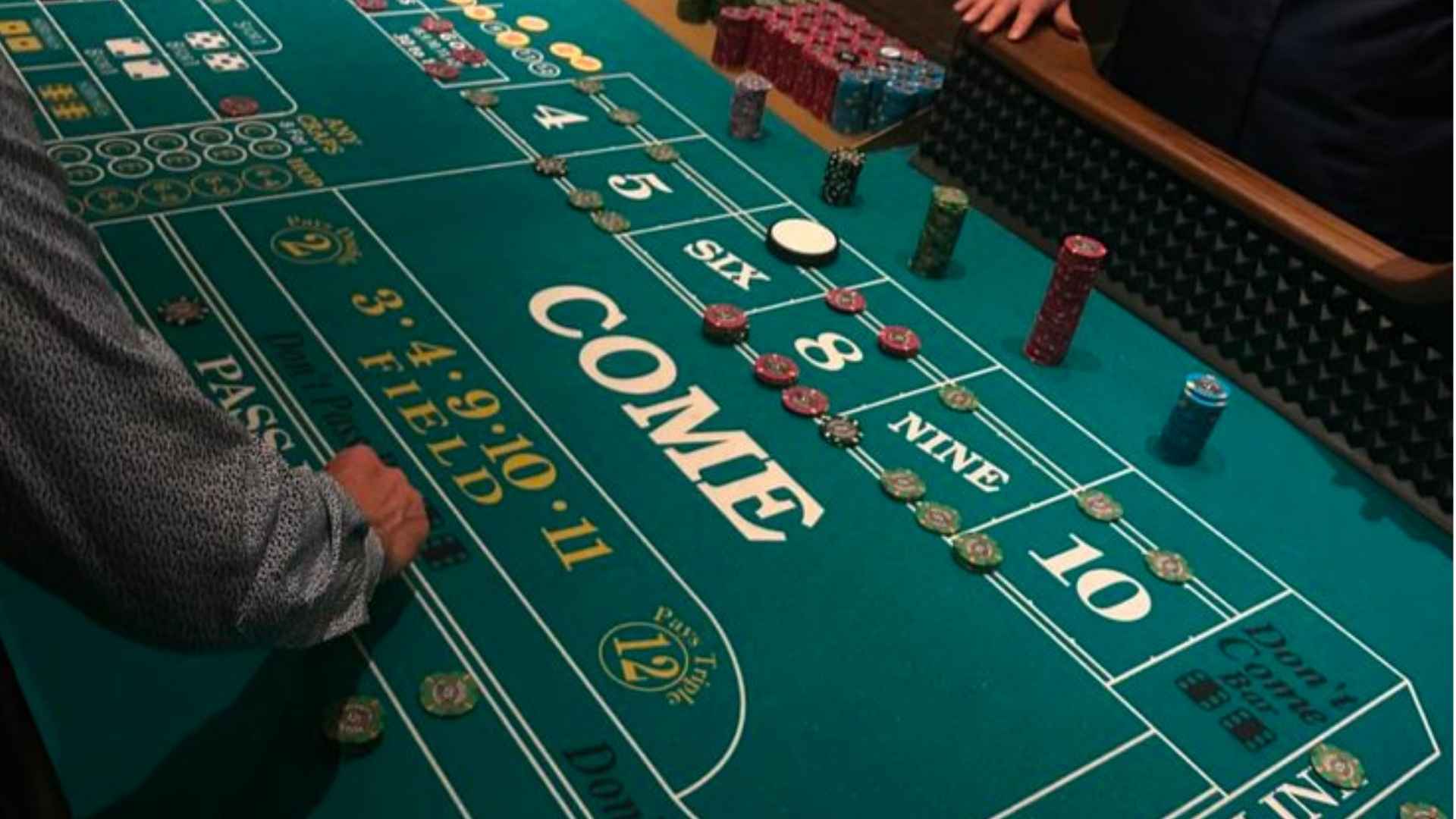
Dominoes is a beloved tabletop classic that brings friends and family together for hours of engaging social interaction. While the rules are simple enough for anyone to learn, incorporating a few strategic adjustments can elevate your casual matches into thrilling contests of wit. By mastering basic board control and hand management, you can keep the spirit of friendly rivalry alive and highly enjoyable.
Analyzing Your Hand and Planning Ahead
Every round of dominoes begins with a unique hand that requires immediate evaluation before making your first move. A smart player maps out a flexible pathway for their tiles rather than simply matching numbers as the game unfolds. This early planning helps you stay prepared for changing board conditions as your friends make their plays.
It is generally wise to play your heaviest tiles and double-numbered bones early in the game to minimize potential penalty points. Holding onto high-value doubles can backfire if your opponents manage to block the board before you can place them. Getting rid of these heavy pieces early keeps your score low and your options open.
Managing Board Flow and Restricting Options
Controlling the open ends of the layout is a highly effective way to steer the direction of a friendly match. If you possess multiple tiles of a certain suit, you can continuously play them to force others into drawing from the boneyard. This strategy allows you to dictate the tempo of the game while quietly keeping your friends on their toes.
For those who enjoy applying strategic planning to various online games, exploring a reliable portal like the M88 Sport login can provide excellent digital recreation options. Just like online platforms, casual physical games thrive when participants understand the underlying mechanics and play with focused intent. Keeping a balanced mix of suits in your hand prevents you from getting easily blocked by a clever opponent.
The Art of Defensive Play and Observation
Paying close attention to the tiles your friends play is just as important as managing your own secret hand. By observing which numbers they hesitate to play or when they are forced to pass, you can quickly deduce their weaknesses. This defensive awareness allows you to block their high-scoring moves while opening paths for your own tiles.
A friendly game should always balance competitive tension with positive sportsmanship and mutual respect. Rather than aggressively seeking to dominate, focus on creating clever puzzles on the board that challenge everyone to think critically. This cooperative approach to strategy ensures that every participant has fun, regardless of who ultimately wins the match.
Perfecting the End Game Strategy
As the boneyard empties and the hand sizes dwindle, the final moments of a match demand absolute focus. Experienced players carefully track the remaining high numbers to make calculated blocks that secure a late-game victory. This meticulous attention to detail ensures that your final plays are highly efficient and leave no room for easy countermoves.
Ultimately, consistent practice and lighthearted experimentation with these tactics will naturally build your confidence over time. Inviting friends to regular game nights provides the perfect environment to sharpen these skills while creating lasting memories. Embracing both wins and losses with a positive attitude is the true hallmark of a great competitor.