Understanding Randomness Through Interactive Play
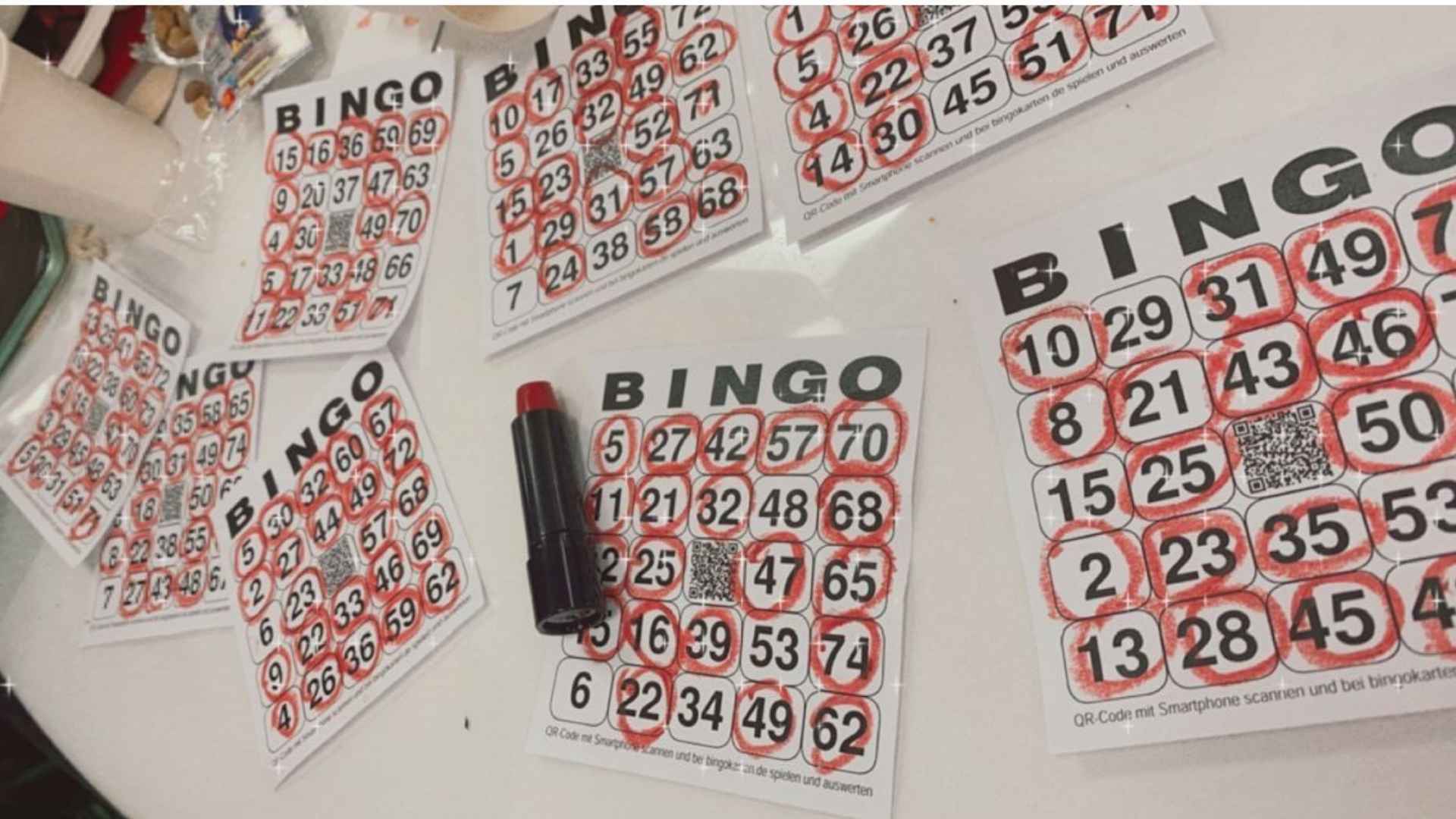
The concept of mathematical probability often seems abstract and detached from real-world applications when studied purely through theoretical formulas. Exploring these complex laws of chance through hands-on activities can turn dense equations into accessible learning experiences. Engaging with structured games allows individuals to build a practical understanding of predictability and statistical variation in a relaxed environment.
The Dynamic Science of Probability and Play
At the heart of modern game design lies a delicate balance between predictable rules and unexpected outcomes that keep participants engaged. When players interact with randomized elements like dice or card shuffles, they actively test statistical probabilities without relying on standard classroom materials. This practical approach transforms abstract principles into visual and memorable moments that stick with learners long after the session ends.
By experiencing multiple rounds of a game, participants naturally begin to identify emerging behavioral patterns and outcome distributions. Navigating these statistical puzzle spaces helps reduce the anxiety often associated with dense mathematical concepts. Over time, consistent play fosters an intuitive grasp of data analysis that serves as a powerful foundation for academic growth.
Developing Sharp Decision-Making Skills
Every choice made in a dynamic environment carries a distinct level of hidden uncertainty that forces players to assess potential risks. Traditional education formats frequently struggle to convey the fluid nature of risk evaluation in everyday life scenarios. By analyzing preceding results during a match, individuals learn to make calculated adjustments rather than relying purely on emotional intuition.
This regular exercise in risk assessment builds structural thinking patterns that directly translate into improved organizational problem-solving. For those interested in exploring digital environments that highlight strategic decision systems, checking a reliable portal like the M88 Msports Login page offers insights into how computational random systems manage structured entertainment. Developing a systematic approach to evaluating chance helps players keep their minds active and analytical.
Building Analytical Thinking Across All Generations
Introducing probability concepts through interactive simulations completely transforms how communities approach complex educational topics. Gathering around the table for a strategic game night provides an excellent way to bond while subtly practicing critical mathematical skills. Both young students and seasoned strategic thinkers can benefit from activities that challenge cognitive flexibility and logic.
Refining these predictive capabilities teaches individuals how to navigate unpredictable outcomes with greater resilience and confidence. Recognizing the thin line between absolute chaos and structured probability reduces the frustration of facing real-life uncertainty. Ultimately, embracing randomized challenges ensures that learning stays deeply rewarding, highly practical, and thoroughly engaging for everyone involved.